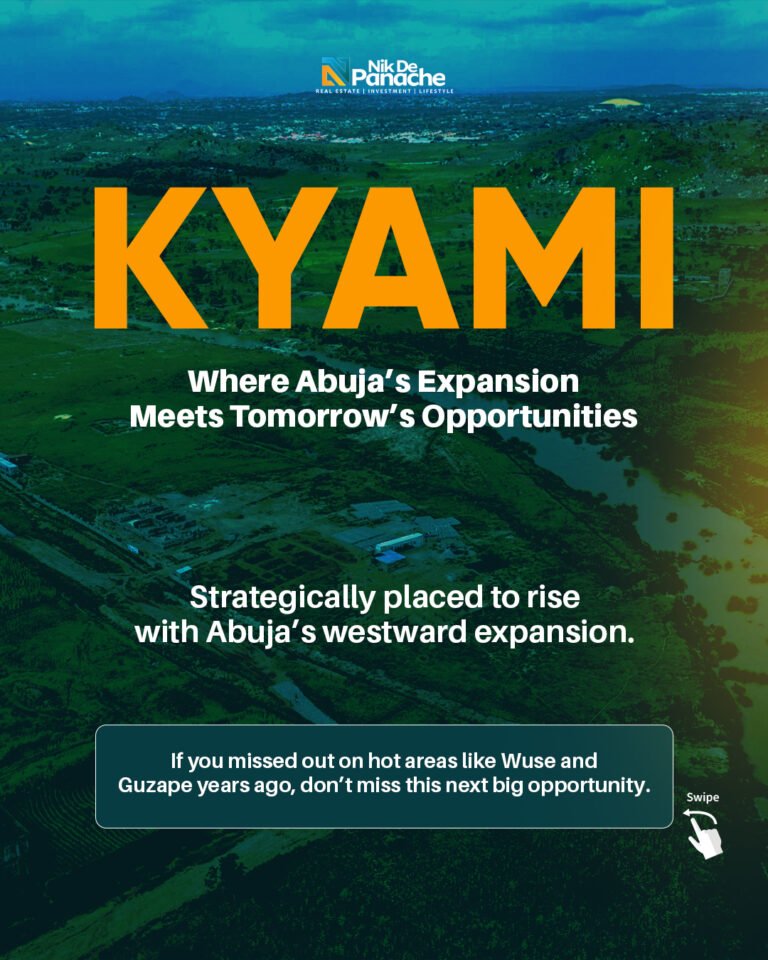
Lugbe, Abuja: The Complete Guide to One of the City's Most Established Growth Districts (2026)
There are places in Abuja that people once dismissed, and now they are desperate to get into. Lugbe is undeniably one of them. For years, people quietly called it a commuter area. It was seen as a neighbourhood for civil servants or simply a place you passed through on your way to the airport. People who knew Abuja well would mention it in a list of affordable options, a phrase that sounds polite but quietly signals something lower-tier.
Those same people are now watching Lugbe properties list at prices they never saw coming. They are wondering how they missed the boat. This guide provides the context that helps you make a real, informed decision. Whether you are a first-time buyer trying to get a foothold in the FCT, a diaspora investor doing your due diligence, a land banking investor looking for the next wave, or someone who already has Lugbe on their radar and wants the full picture, this is where you get it. Let us get into it.
So, Where Exactly Is Lugbe?
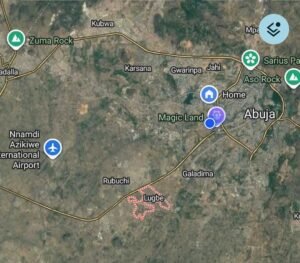
Lugbe District sits along the Umaru Musa Yar’Adua Expressway, the road Abuja residents universally call Airport Road. It stretches through one of the FCT’s most active transit corridors. Under normal traffic conditions, it sits approximately 13 to 17 minutes from Nnamdi Azikiwe International Airport and roughly 15 to 20 minutes from the Central Business District.
Here is how Lugbe connects to the rest of Abuja:
Destination | Approximate Drive Time / Location |
Nnamdi Azikiwe International Airport | 13 minutes |
Abuja Central Business District (CBD) | 15 to 20 minutes |
Dunamis International Church (Glory Dome) | 5 minutes |
Kyami District | A short drive further out along Airport Road |
Gwagwalada | Continuing along the expressway beyond Lugbe |
Novare Gateway Mall / Shoprite | Located within the Lugbe corridor |
National Space Research and Development Agency (NASRDA) | Within the district |
Voice of Nigeria (VON) Transmission Station | A Lugbe landmark |
Federal Housing Authority (FHA) Estate | One of Abuja’s oldest planned housing clusters |
That geography is not a coincidence. Lugbe did not grow because people randomly chose it. It grew because it sits at an intersection of access, affordability, and institutional presence that few other suburban Abuja districts can claim at the same price point.
Lugbe in the Abuja Master Plan: What Most People Skip
Abuja was planned. That is not just a tourism talking point; it is the single most important fact about buying property in the FCT. In 1979, Nigeria approved a master plan for the Federal Capital Territory, laying out a phased blueprint for how Abuja would grow from its centre outward. Phase One established the core districts like Maitama, Asokoro, Wuse, Garki, and the Central Area. Phase Two added Jabi, Katampe, Kaura, and Gaduwa. Subsequent phases expanded the city’s reach further outward.
Lugbe sits within the Abuja Municipal Area Council (AMAC). While technically outside the Federal Capital City (FCC), it is positioned along a corridor that has benefitted from its proximity to planned FCT infrastructure for decades. It is one of the districts specifically named in relation to Abuja’s Phase Five expansion zone, alongside Kyami. What this means practically is that Lugbe’s growth has not been random. Its road network, estate layouts, and proximity to federal institutions were not accidents. As Abuja continues expanding, Lugbe is positioned at the interface between the city’s established centre and its next frontier, which includes Kyami, Centenary City, and beyond.
How Lugbe Actually Grew: The Story Behind the Numbers
Understanding Lugbe as an investment requires understanding how it developed, because that trajectory tells you a great deal about where it is going. A decade ago, Lugbe was the place you bought when you could not afford Katampe. Land was available at prices that now seem almost impossible. Parcels were selling in ranges that have since roughly doubled, and in some cases, even more.
Then a few things happened simultaneously. The airport corridor became one of the most active development axes in the FCT. Federal government institutions and agencies settled nearby. Estate developers began building finished residential communities, not just raw land, along the Airport Road stretch. Major retail infrastructure arrived, anchored by Novare Gateway Mall and Shoprite. This signalled that the area had reached a threshold of residential density that commercial investors were willing to bet on. Road expansions improved commute times to the CBD. The district kept absorbing population as more Abuja workers sought housing they could actually afford without sacrificing connectivity.
The result is that Lugbe transformed from an affordable alternative into a functional, liveable suburb with genuine infrastructure, genuine demand, and genuine price appreciation.
The 7 Reasons Investors and Homebuyers Are Still Choosing Lugbe
1. The Airport Road Corridor Is Abuja’s Most Active Development Belt
Airport Road is not just a road. It is one of the FCT’s most consistent infrastructure investment corridors, and Lugbe benefits from sitting along its most accessible stretch. Government agencies, logistics operations, hospitality developments, and private estate developers have all moved along this axis. Lugbe is already inside that activity zone, not waiting for it to arrive. Historically, properties near newly commissioned arterial roads in Abuja have seen price increases of 15% to 30% within two to three years. Lugbe’s road network continues to see phased upgrades, and the broader Airport Road corridor remains a priority in FCTA infrastructure planning.
2. Proximity to the Airport Creates Structural Rental Demand
This is an advantage that most neighbourhood analyses mention but few fully explain. The Nnamdi Azikiwe International Airport is one of Nigeria’s busiest. The people who work there, including airline staff, logistics personnel, federal aviation employees, customs and immigration officers, need housing nearby. Senior staff, contractors, and expatriates visiting on fixed-term assignments frequently prefer short-stay furnished accommodation on the airport corridor rather than lodging in the city centre.
Lugbe answers this demand directly. Landlords and developers in Lugbe can credibly target long-term renters in stable public sector and aviation employment. They can also attract short-let guests who prefer airport proximity over city-centre hotels, as well as families of diplomats and international agency staff wanting accessible locations. This is not speculative rental demand. It is structural demand tied to permanent institutions that are not going anywhere.
3. Price Entry Points Remain Accessible, But the Window Is Narrowing
Lugbe is not the cheapest area in Abuja, as it has earned its prices. However, compared to Katampe Extension, Mabushi, Jabi, or Life Camp, it still offers significantly lower entry points for buyers who want an established suburb on a major development corridor.
Here is a general picture of where Lugbe pricing has moved as of 2026:
Property Type | Approximate Price Range (2026) |
250sqm plot (FCDA R of O) | ₦9.6M – ₦14M |
300sqm plot | ₦12M – ₦18M |
500sqm plot | ₦18M – ₦35M+ |
600sqm plot | ₦25M – ₦40M |
3-bedroom bungalow | ₦18M – ₦35M |
3-bedroom flat (for sale) | ₦70M – ₦120M |
Terrace duplex | ₦45M – ₦85M |
Note: These figures reflect a range across Lugbe’s sub-districts and vary significantly based on specific location, title type, estate developer, infrastructure quality, and plot size. Always verify current pricing directly with verified agents or developers.
Land prices have moved meaningfully over the last five years. Buyers who entered early on Lugbe’s current trajectory are already seeing that appreciation. Those who buy now are still ahead of the next re-rating, but the window that existed five years ago is largely closed.
4. Lugbe Is a Subdivided District With Multiple Micro-Markets
This is one of the most important things to understand before investing in Lugbe, and it is frequently glossed over. Lugbe is not one uniform neighbourhood. It is divided into five sub-districts: Lugbe South, Lugbe North, Lugbe Central, Lugbe West, and Lugbe East. Each has a distinct character, infrastructure profile, and price point.
Some areas have smooth tarred roads, functioning drainage, solid perimeter estate security, and consistent power infrastructure. Others are still catching up, with access roads that require further work and estate development still in progress. The difference between buying in a well-developed part of Lugbe Central and a still-developing corner of Lugbe East is not a small one. It affects your rental yield, resale value, and quality of life as a resident. Understanding the micro-geography of Lugbe matters enormously.
5. Established Estates Bring Credibility and Infrastructure
Unlike some emerging districts where you are buying into promises, Lugbe has a long list of already-completed and occupied estates. The Federal Housing Authority Estate, one of Abuja’s earliest planned residential communities, sits in Lugbe. It has been joined over the years by estates including Trademore Estate, Wisdom Estate, NCC Estate, Shibann Court Estate, Osilama Garden Estate, People Paradise Estate, and Triumph Estate, among others.
This matters for investors because established estates anchor land values in surrounding areas and give newer developments a credibility signal. When a buyer or tenant sees that functional, occupied estates already exist in a neighbourhood, confidence in the area rises. That confidence translates into demand, and demand moves prices.
6. Retail and Social Infrastructure Has Arrived
One of the reliable signs that a suburban area has crossed from developing to established is when commercial investors commit serious money to retail there. In Lugbe’s case, that signal came in the form of Novare Gateway Mall, anchored by Shoprite. This is the kind of retail investment that follows population density, not precede it.
Schools, healthcare facilities, churches, and local commercial centres have also grown substantially across the district. These are not developer promises. They exist, they operate, and they serve Lugbe’s population daily. For residential investors, this infrastructure matters because it sustains tenant demand. People will pay to live where their daily needs are met within reasonable distance. Lugbe now passes that test convincingly.
7. Abuja’s Population Growth Is Driving Unprecedented Demand
Abuja is currently experiencing a massive population surge. As of 2026, the Abuja metro area population is estimated at 4,392,360, representing a robust annual growth rate of approximately 4.33%
. This makes Abuja one of the fastest-growing cities not just in Africa, but globally. In the last year alone, the city added over 182,000 new residents
.
Federal workers, business owners, young professionals, families relocating from Lagos and the south, international organisations, NGOs, and diplomatic staff all contribute to this influx. The city keeps absorbing people, and frankly, not all of them can afford Maitama or Asokoro. Satellite towns like Lugbe cater directly to this growing middle-class population in the FCT. They need affordable, well-connected housing within reasonable commuting distance of government and commercial centres. This is not a niche market. It is where the majority of Abuja’s housing demand actually lives.
Who Is Lugbe Right For?
Not every investment fits every investor. Here is an honest breakdown.
If you are a first-time Abuja buyer with a budget in the ₦10M to ₦30M range for land, Lugbe offers something increasingly rare in the FCT. It provides an established corridor with real infrastructure, real documentation options, and real tenant demand at prices that do not require a decade of savings to access. You are not speculating on an unbuilt future. You are buying into a neighbourhood that already functions.
If you are a rental income investor, Lugbe’s position on the airport corridor gives you a reliable tenant pool that will not disappear when market sentiment shifts. The structural demand from aviation workers, government staff, short-let travellers, and institutional employees ensures consistent occupancy. Rental yields in suburban Abuja remain competitive, and Lugbe is among the better-positioned districts.
If you are in the diaspora, Lugbe’s combination of established estates, verifiable FCDA documentation options, and proximity to major Abuja landmarks makes it one of the more manageable remote investment options in the FCT. You are not betting on unverified community land or an informal allocation. With the right developer, you can buy with proper documentation from abroad and know exactly what you own.
If you are a land banking investor already in Lugbe or watching from the side, the trajectory here has been validated. The question is no longer whether Lugbe will appreciate, because it already has. The question is whether the areas around it, and the new estate developments within it, still offer enough upside to justify entry. For medium-term investors with a three-to-seven-year horizon, select parts of Lugbe still present a compelling case.
If you are a portfolio investor asking where within the Lugbe axis offers the most remaining upside, the honest answer is the sub-districts closest to active infrastructure upgrades and established commercial anchors, with clean title documentation. Proximity to the road network matters. So does the title on the specific plot.
What to Watch Out For
- Flooding risk in low-lying zones
Parts of Lugbe, including some areas in Trademore, have experienced drainage issues. Before buying, assess the drainage system of the exact estate and sub-district. This is not a district-wide issue, but it is real in specific zones. - Infrastructure quality varies between estates
Lugbe has not developed uniformly. Roads, power supply, and drainage can differ significantly even within the same area. Always visit physically and check beyond the estate gate. - Inner roads still need upgrades in some areas
Major roads have improved, but some internal roads are still being developed. Progress is ongoing, but not fully complete in all locations. - Verify all documentation independently
Lugbe’s growth has attracted both credible developers and questionable ones. Always request the title documents and confirm through AGIS (Abuja Geographic Information Systems). Any serious developer will support this process. - Not all areas offer the same investment upside
Some parts of Lugbe are already fully developed and priced accordingly. These are stable but may have limited appreciation. Other areas still offer growth potential. Be clear about your goal before buying.
Lugbe vs. Kyami: Understanding the Same Corridor at Two Different Stages
Many investors who have been active on the Airport Road corridor are now looking at both Lugbe and Kyami in the same breath. It is worth being clear about the distinction.
Lugbe is the established, developed district on this corridor. It has completed estates, active retail, institutional anchors, and a track record of appreciation. Entry prices are higher than they were five years ago, and for good reason. The area delivered on its promise.
Kyami is the earlier-stage district further along the same corridor. It is still developing, with lower entry prices, more raw upside, and more development-phase risk. The people who bought Lugbe early are the same profile of buyer now looking at Kyami.
Understanding where you sit on that spectrum determines which part of this corridor is right for you. Whether you want an established suburb with steady rental income or an early-stage position with higher long-term upside, both have a legitimate case. They are simply not the same investment.
Frequently Asked Questions About Lugbe, Abuja
What is Lugbe District in Abuja?
Lugbe is a suburban residential district in Abuja’s Municipal Area Council (AMAC), located along the Airport Road (Umaru Musa Yar’Adua Expressway). It is approximately 13 to 17 minutes from the Nnamdi Azikiwe International Airport and 15 to 20 minutes from the CBD. It is one of the FCT’s most established growth suburbs, divided into five sub-districts: Lugbe North, South, Central, East, and West.
Is Lugbe a good investment in 2026?
For medium to long-term investors seeking a combination of rental yield, established infrastructure, and continued appreciation potential along the airport corridor, select parts of Lugbe remain highly credible. Entry prices have risen significantly from where they were five years ago, so the best opportunities now lie in identifying specific estates with proper documentation and strong micro-location fundamentals. It is not a high-velocity flip market; it is a steady, structural growth area.
What are property prices in Lugbe in 2026?
Land prices in Lugbe range broadly depending on sub-district, plot size, and title type. They range from approximately ₦9.6M for a 250sqm plot in some areas up to ₦35M+ for larger parcels in more developed zones. Completed residential units, such as 3-bed bungalows, terraces, and flats, range from ₦18M to well above ₦100M for newer builds in established estates. Always verify current pricing directly with developers or verified agents.
What land titles are available in Lugbe?
Lugbe plots can come with either FCDA Certificate of Occupancy (C of O) or Right of Occupancy (R of O), with C of O being the stronger title. Some plots in newer or developing sections of the district carry R of O which can be upgraded through AGIS. Always verify the specific title on any plot you are considering and confirm independently through AGIS before committing.
Is Lugbe prone to flooding?
Flooding risk exists in some low-lying parts of Lugbe, particularly in certain sections of estates with inadequate drainage planning. It is not a district-wide issue, but it is a real concern in specific zones. Always assess the drainage infrastructure of the specific estate and plot location before purchase.
Can diaspora Nigerians buy property in Lugbe?
Yes. Lugbe’s established estate ecosystem and available FCDA documentation make it suitable for remote buyers who can verify titles properly. Working with a credible, transparent developer or verified real estate professional is critical for diaspora investors transacting from abroad.
How far is Lugbe from Abuja city centre?
It is approximately 15 to 20 minutes from the Central Business District under normal traffic conditions. It is 13 to 17 minutes from the airport and connects to the wider FCT via the Airport Road expressway.
What is the difference between Lugbe and Kyami?
Both sit along the Airport Road corridor. Lugbe is closer to the city, more established, and consequently priced higher. Kyami is further out, earlier in its development cycle, and offers lower entry points with more growth runway. Investors who entered Lugbe early are now looking at Kyami in the same way.
The Bottom Line
Every neighbourhood in Abuja that is now expensive, such as Maitama, Wuse, Jabi, Katampe, and Gwarinpa, was once someone’s reasonable alternative. Someone bought there when it was still developing and held on while the city grew around them. Those decisions look very different in hindsight.
Lugbe has already had its first wave of that story. The people who bought a decade ago have seen their investment re-rated. The people buying now are entering a more established market with real infrastructure, real documentation, and real demand. However, they are also entering at a higher price point that reflects all of that.
What makes Lugbe relevant in 2026 is not the same argument it was in 2016. It is not the cheapest option on the corridor anymore. But it remains one of the best-connected, most liveable suburban districts in the FCT at a price point that still compares favourably to the established high-value districts. It also boasts a rental demand profile that serious income-focused investors should not dismiss.
The growth story is not over. The corridor is still developing. The city is still growing. Within Lugbe itself, careful selection of the right sub-district, estate, and title type can still yield meaningful medium-term returns. The investors who benefit most are the ones who understand what they are buying, verify what they are told, and stay patient enough to let the fundamentals do their work.
Ready to Explore Lugbe Abuja Further?
Let us make your real estate journey a success
References
[1] World Population Review. (2026). Abuja Population 2026. Retrieved from
Information in this article is provided for educational purposes and reflects general market conditions as of April 2026. Property prices and infrastructure details can change rapidly. Always conduct independent due diligence and verify documentation through AGIS before any property transaction.
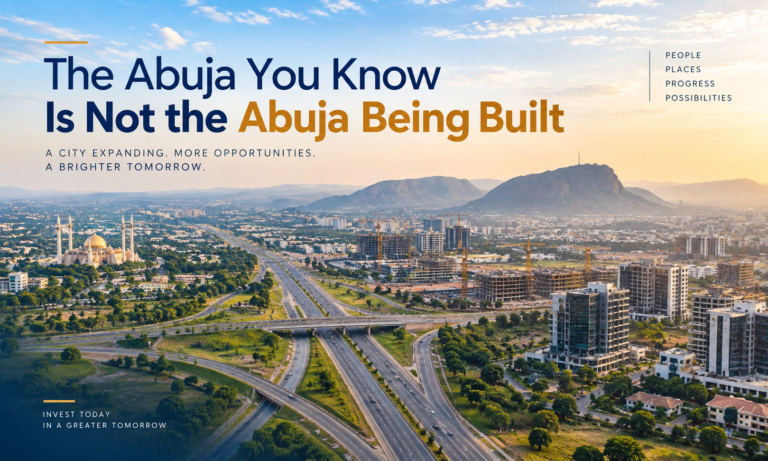
The Abuja You Know Is Not the Abuja Being Built
Abuja Property Investment: The City Is Changing Abuja property investment used to follow a simple map. If you have lived in Abuja for a while,
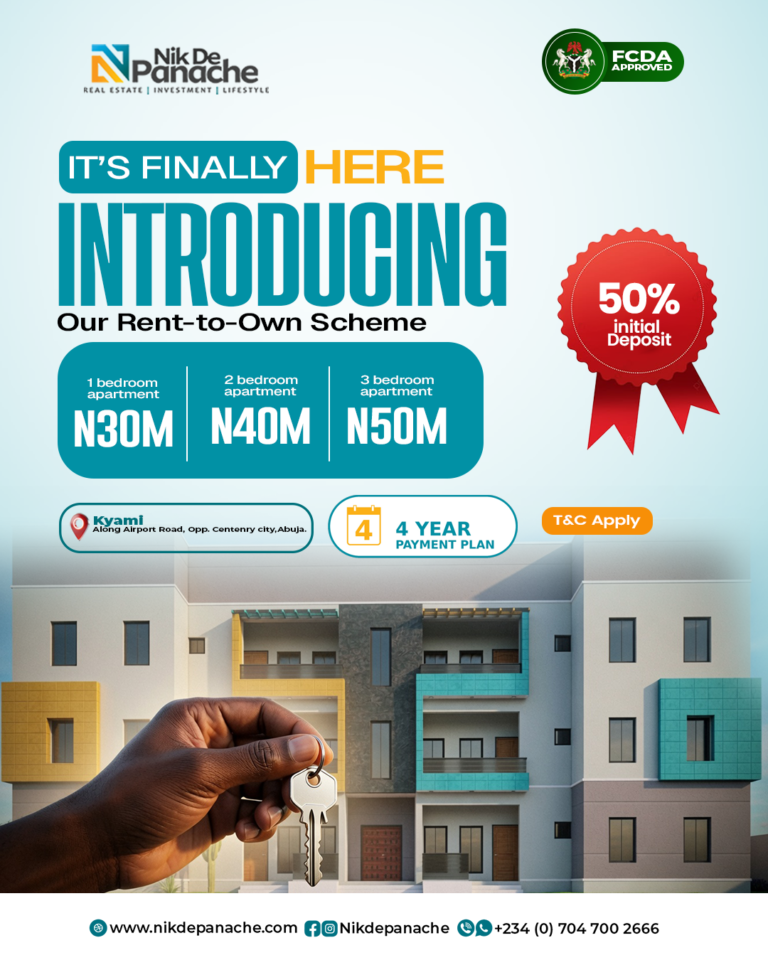
Rent-To-Own Your Apartment in Kyami, Abuja
Rent to own in Kyami, Abuja. De Panache Smart City has opened its doors. No mortgage, no interest, just a deposit and a payment plan that ends with you owning the home by 2029.
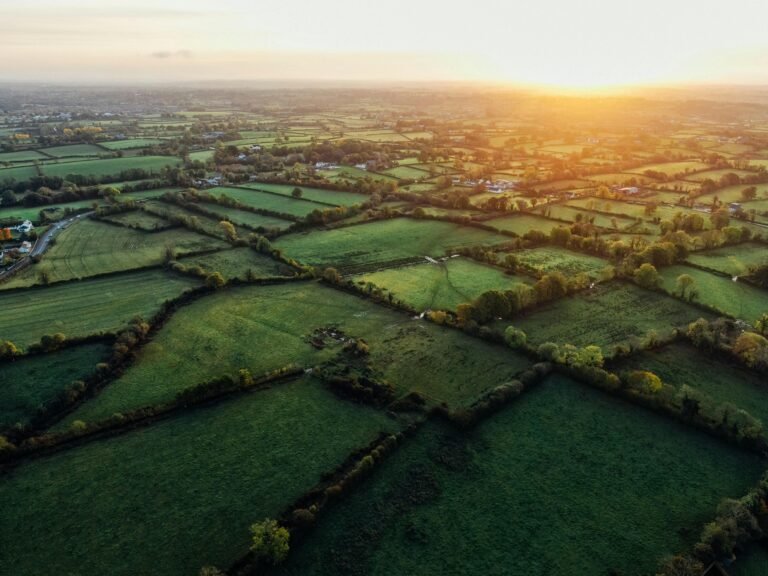
Kyami Abuja Investment Guide 2026: Prices, ROI & Risks
Kyami Abuja investment guide covering land prices, ROI potential, risks, infrastructure updates, and best entry strategies for 2026 and beyond.
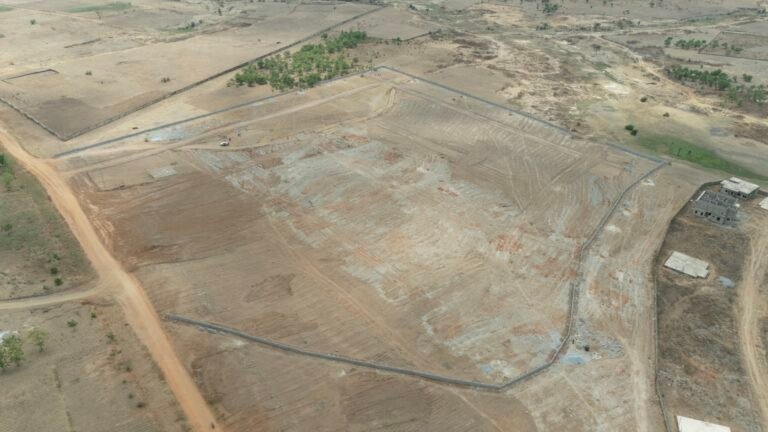
Kyami Land for Sale in Abuja: Everything You Need to Know Before You Buy (2026 Guide)
Kyami is Abuja’s fastest-growing airport corridor district — and the road in front of Prime Haven Estate and De Panache Smart City has just been completed. Here’s everything you need to know about buying verified, FCDA-approved land in Kyami in 2026, including prices, titles, and infrastructure.

Hutu Africa’s First Polo Golf Resort Estate — Fully Explained
Omnia Prime Estate by Nik De Panache is a premium FCTA-approved development beside Centenary City on Airport Road, Abuja. This guide covers location, pricing, legal title, infrastructure, and investment potential, helping buyers understand how to secure land in one of Abuja’s fastest-growing corridors in 2026.