Step 3: Visit the Land Yourself
Do not buy land you have not physically seen. Photos and descriptions are not enough.
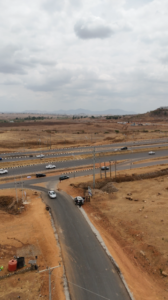
Go to the site. Check the roads leading to it, look at the surrounding area, and confirm that what you are seeing on the ground matches the survey plan you have been shown. Visiting in person also helps you spot drainage issues, access problems, or anything the seller may not have mentioned.
Step 4: Do Your Due Diligence
This is the most important stage of the process. Hire a qualified property lawyer before you commit to anything.
Your lawyer will verify all documents, confirm the true ownership of the land, and carry out a formal search at AGIS. They will also check whether the government has any acquisition plans for the land, or whether there are any disputes that could affect your ownership later.
This stage takes time. Do not rush it.
Step 5: Negotiate the Price
Once your lawyer is satisfied with the documents, you can move into price negotiations. Research current land prices in the area you are buying so you have a reference point. A reputable real estate agent who knows the local market can be genuinely useful here, helping you arrive at a fair price without overpaying.
Step 6: Make Payment Through Traceable Channels
Pay by bank transfer or bank draft only. Never pay cash for land.
Ensure the payment goes directly to the verified landowner or their legal representative. Request a formal receipt for every payment made and keep all financial records from the transaction. These documents may be important if any issue arises later.
Step 7: Complete the Deed of Assignment
After payment, your lawyer will draft the Deed of Assignment. This document formally transfers ownership rights from the seller to you. Go through it carefully with your lawyer before signing. Every detail should be accurate, including names, plot number, size, and boundaries.
Step 8: Register Your Title at AGIS
Registering your title at AGIS is the final and most important step. This process is called perfecting your title.
It involves obtaining the Minister’s Consent, which is required because FCT land is government-held, and then officially registering your Deed of Assignment. Once this is complete, your ownership is on the public record and legally protected against future claims.
Your lawyer handles this process on your behalf.
Common Land Scams in Abuja and How to Protect Yourself
The Abuja property market attracts serious money, and that means it also attracts people looking to take advantage of uninformed buyers. These are the most common scams to watch out for.
Double allocation happens when one plot is sold to more than one buyer. The buyer who registers first at AGIS is typically recognised as the legal owner, which means the others lose their money. An AGIS search before payment protects you from this.
Government acquisition land is land the government has already reclaimed or reserved for public use. Some sellers knowingly market this land as available. No private buyer can legally own it, and AGIS verification will show this clearly.
Fake documents are more common than many people realise. Forged Certificates of Occupancy and Survey Plans circulate in the market. Always verify documents directly at AGIS rather than relying solely on what the seller provides.
Omonile pressure refers to individuals or groups, often in peripheral areas, who claim community ownership of land and demand payment. Proper documentation and verified ownership significantly reduce this risk.
Non-existent estates involve developers selling plots in projects that have no actual allocation or physical development. Always verify the developer’s credentials and visit the site before committing any funds.
Practical Tips for a Smooth Land Purchase
Work with a qualified property lawyer from the beginning, not just at the signing stage. Their involvement throughout the process is what protects your investment at every point.
Choose your real estate agent carefully. A registered agent with a track record in Abuja’s market is a genuine asset. Ask for references and verify their credentials before engaging them.
Insist on seeing original documents. Do not accept photocopies as the only proof of ownership, and do not accept promises that documents will follow later.
Take as much time as you need. Sellers who push you to decide quickly or discourage you from running checks are waving a red flag. Genuine transactions can withstand scrutiny.
Keep physical and digital copies of everything. Receipts, signed agreements, search results, and correspondence should all be stored safely. If a dispute ever comes up, your documentation is your evidence.
Frequently Asked Questions About Buying Land in Abuja
Can a foreigner buy land in Abuja?
Yes. Foreigners can legally acquire land in Abuja under the same leasehold arrangement that applies to all buyers in the FCT. The land must be officially allocated and all documents must be registered at AGIS. Foreign buyers should work with a qualified Nigerian property lawyer throughout the process.
How much does land cost in Abuja in 2026?
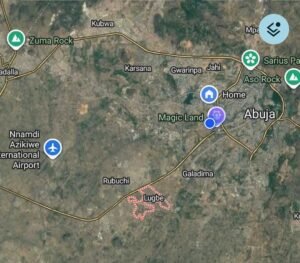
Prices vary significantly by location. In high-end areas like Maitama and Asokoro, a plot can range from ₦200 million to over ₦500 million. In mid-range areas like Gwarinpa and Jahi, typical prices fall between ₦30 million and ₦100 million. In satellite towns like Lugbe and Kubwa, plots can be found from ₦5 million to ₦25 million. These figures shift regularly, so always confirm current rates with a local agent.
What is the difference between a C of O and an R of O in Abuja?
A Certificate of Occupancy is the highest land title document available in the FCT. It is issued by the government and confirms your full legal right to occupy the land. A Right of Occupancy is an earlier document issued while the C of O is being processed. It is a valid form of title but offers less legal weight than a C of O. Both are legitimate, but a C of O gives you stronger protection.
Is it safe to buy land in Abuja without a lawyer?
It is not advisable. A property lawyer carries out document verification, runs AGIS searches, and protects you from fraud and legal complications. A significant number of land scams succeed because buyers skip proper legal checks. The cost of a lawyer is small compared to the risk of losing your entire investment.
How long does it take to get a Certificate of Occupancy in Abuja?
The timeline varies depending on the situation and how quickly documents move through AGIS. After buying land and registering the Deed of Assignment, the full process of obtaining Minister’s Consent and a C of O can take several months to a couple of years. An experienced lawyer can help move things along efficiently.
What is AGIS and why does it matter when buying land in Abuja?
AGIS is the Abuja Geographic Information Systems office. It maintains all official land records in the FCT and is the only body that can confirm whether a land title is genuine. Running an AGIS search before buying confirms the real owner of the land, validates the documents you have been shown, and reveals any legal problems or government claims on the property. It is the single most important verification step in any Abuja land transaction.
Which areas in Abuja are best for land investment in 2026?
The right area depends on your budget and goals. Maitama, Asokoro, and Wuse are established areas with strong long-term value. Jahi, Katampe, and Gwarinpa balance quality with more accessible pricing. Lugbe, Kyami, and Kubwa offer lower entry costs with solid growth potential. Each area has different strengths, so research before committing.
What documents should I have after completing a land purchase in Abuja?
After your purchase is complete, you should hold the original title document (C of O or R of O), the Survey Plan, the signed and registered Deed of Assignment, proof of Minister’s Consent, all payment receipts, and your AGIS registration certificate. Store physical and digital copies of all of them.
What is the Abuja Master Plan, and how does it affect my land purchase?
The Abuja Master Plan is the government’s official blueprint for how the city develops. It determines which areas are zoned for residential, commercial, industrial, or government use. Buying land in a zone that does not match your intended use can cause serious legal and practical problems later. Understanding zoning before you buy is part of doing proper due diligence.
Final Word
Buying land in Abuja takes careful planning, proper verification, and the right professional support. When those things are in place, it is a genuinely rewarding investment in one of Nigeria’s most important and consistently growing cities.
Use this guide as your starting point. Get a good lawyer. Verify everything at AGIS. Research the area you are buying in. And give the process the time it deserves.
Contact us today to buy scam free, verified properties in Abuja that gives you peace of mind


If you are considering Lugbe and Kyami, read our detailed guide on land prices and what to look out for.