Introduction
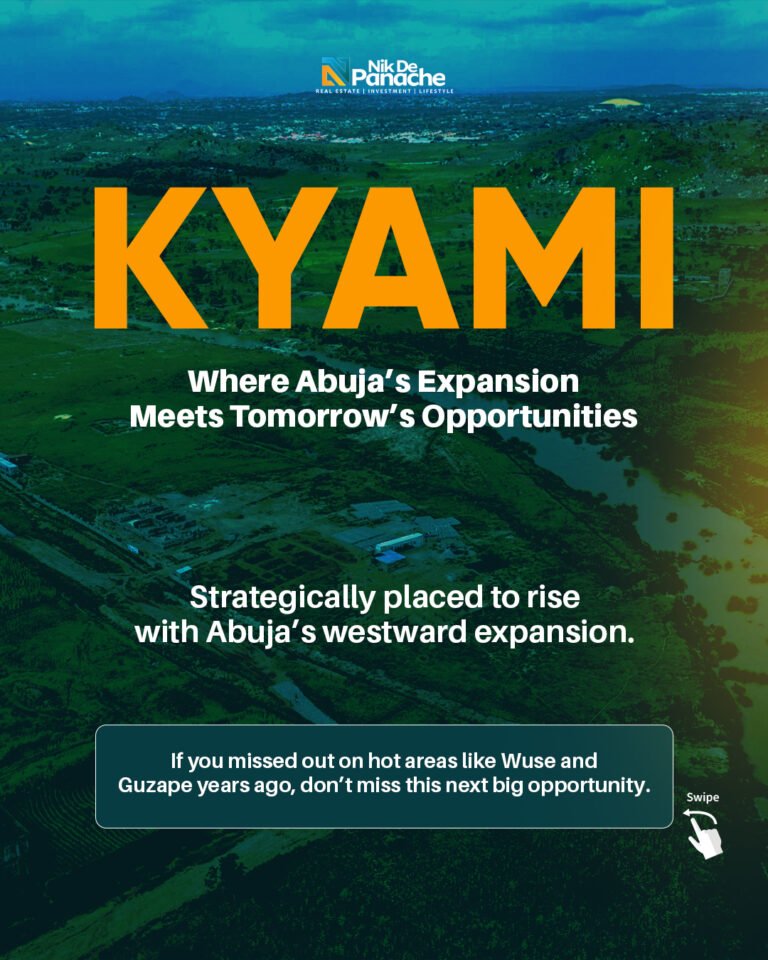
There’s a moment in every city’s growth story where a particular area stops being neglected and starts demanding your attention. For Abuja, one of those areas right now is Kyami.
You may have heard the name in passing, from a colleague, a family member, or in a WhatsApp group where someone guaranteed that they were “getting in before it blows.” And if you’ve been dismissing it as hype, this guide is going to challenge that assumption. Not with marketing language, but with facts, honest context, and the kind of detail that helps you make a real decision.
Whether you’re an investor looking to maximise your ROI first-time buyer trying to understand what Kyami actually is, a diaspora investor doing your due diligence from London or Houston, or someone who’s already interested and just needs the full picture before you make the decision — you’re in the right place.
Let’s get into it.
So, Where Exactly Is Kyami?
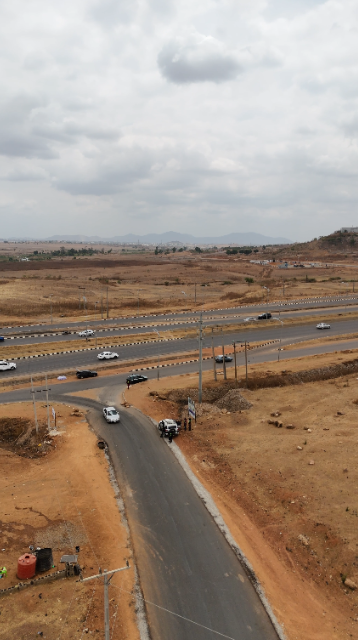
Kyami District sits along the Umaru Musa Yar’Adua Expressway — what most people in Abuja simply call “Airport Road”. It occupies a stretch of land that, depending on the day and traffic, sits roughly 10 to 15 minutes from the Nnamdi Azikiwe International Airport. If you’ve ever driven toward the airport and passed through the stretch around Centenary City, you’ve already seen the edges of Kyami without knowing it.
Here’s how it connects to places you already know:
- Centenary City — directly opposite
- Nnamdi Azikiwe International Airport — 10 to 15 minutes
- Immigration Service Headquarters — a few minutes away
- Lugbe — a short drive further back toward the city
- Gwagwalada — continuing outward from Kyami
- Abuja CBD (Central Business District) — approximately 15 to 25 minutes, depending on traffic
- Idu Train Terminal — accessible via the Airport Road axis
That’s the geography. And it matters more than people realise because in Abuja, location along a major federal highway is not a small thing.
Kyami in the Abuja Master Plan: The Part Most People Skip
Here’s something a lot of Kyami articles gloss over, and it’s arguably the most important piece of context you need.
Abuja was not built randomly. In 1979, the Nigerian government approved a master plan — a phased blueprint for how the Federal Capital Territory would grow outward from its centre. That plan divided Abuja into five development phases, working from the city’s core outward. Phase One gave us Maitama, Asokoro, Wuse, and the Central Area. Phase Two brought Jabi, Katampe, Kaura, and Gaduwa. Phase Three added Gwarinpa and Mabushi. Phase Four is still developing.
Kyami is in Phase Five.
And according to Wikipedia’s own documentation of the Abuja masterplan, Phase Five specifically “covers the vicinity of the Nnamdi Azikiwe International Airport” — with Kyami named as one of its key districts, alongside Lugbe.
Why does this matter? Because FCDA-planned districts follow a structured path. They don’t just grow organically in unpredictable directions. They have defined zones — residential, commercial, mixed-use. They have planned road networks. Developers who build within these zones receive official allocation documents. Land titles issued within properly planned districts carry a different weight than land in unplanned or informal areas.
This is not speculation land in the middle of nowhere. This is a district that exists on the Federal Government’s long-term map of Abuja’s future.
That distinction alone separates Kyami from a lot of other “emerging” areas you might hear about.
The 7 Reasons People Are Choosing Kyami Right Now
1. It Sits on Abuja’s Fastest-Growing Development Corridor
The Airport Road stretch isn’t just a road — it’s become one of Abuja’s most active development belts. Government agencies, logistics companies, private developers, hospitality groups — all of them have been moving along this corridor for years. Kyami benefits from being right in the middle of that activity.
The FCTA’s own 2026 budget allocation included a ₦7 billion project for the full scope development of the FCT highway — specifically, Kuje Road from Airport Expressway to Outer Southern Express, OSEX, with a spur directly at Kyami District. That’s not a rumour. That’s a line item in a federal budget. When government money goes into road access for a specific district, land values in that district move — because access is everything.
2. Centenary City Is Right Across the Road
Whatever you think about the pace of Centenary City’s development, one thing is not in dispute: it is a multi-billion-naira smart city project sitting directly opposite Kyami. The development includes plans for a Central Business District, residential zones, an 18-hole golf course, a polo club, and international convention facilities.
Here’s the simple principle at work: when a massive development project lands somewhere, the land around it becomes valuable. Not because of what that project is today, but because of what it signals about where growth is going. Centenary City is pointing toward this corridor. Kyami is already there.
3. Active Infrastructure Development
This is not a case of “the government will build roads eventually.” Road development is visibly ongoing by the Federal Government and also from companies and estates with an interest there. Electricity infrastructure is being extended. Several estates already have tarred roads, perimeter fencing, and basic utilities in place.
This is the window — the period where infrastructure is coming in, but prices haven’t yet adjusted fully to reflect that reality. These windows don’t stay open for long, and position you to benefit from this.
4. The Documents Are Real
One of the biggest risks in Nigerian real estate, particularly in emerging areas, is buying land that comes with questionable or unverifiable title documents. Kyami, as an FCDA-planned district, has a structure that supports genuine documentation.
Plots in Kyami can and do come with FCDA-issued C of O (Certificate of Occupancy) and R of O (Right of Occupancy). These are the gold standard titles in Abuja real estate. Several estates in the area are already selling FCDA C of O plots, which means the land has been allocated, surveyed, and formally recognised by the federal government.
That is not a minor detail. It is the difference between owning land and believing you own land.
5. Price Entry Points Are Still Accessible
This is where people who’ve been watching Abuja real estate for a while sit up. Maitama, Asokoro, Wuse, you’re looking at tens of millions for a plot, sometimes hundreds of millions. Katampe Extension plots are already past ₦40 million in many parts.
In Kyami, as of 2026, you can still find:
Property Type | Price Range (2026) |
200sqm plot | ₦12M – ₦16.5M |
250sqm plot | ₦13.5M – ₦16.5M |
300sqm plot | ₦15M – ₦22M |
500sqm plot | ₦20M – ₦38M |
3-bed terrace duplex (shell) | ₦35M – ₦65M |
4-bed detached duplex | ₦42M+ |
Note: These figures reflect select estate pricing and vary significantly based on title type, estate developer, proximity to infrastructure, and plot size. Always verify current pricing directly.
For context — people who bought in Lugbe a decade ago at what felt like risky prices are very comfortable today. The people who are comfortable in Lugbe today are looking at Kyami.
6. Population and Housing Demand Isn’t Slowing Down
Abuja’s population has been growing at roughly 4% annually — one of the fastest rates on the continent. The city keeps absorbing people: federal workers, business owners, young professionals, families relocating from Lagos and the south, expatriates, international organisations. Not all of them can afford Maitama. A large and growing number of them need housing along established corridors with good road access. Kyami answers that need.
The demand for rental properties on the Airport Road axis is real. Estates in Kyami are already advertising completed units, and several are being bought off-plan, which tells you buyers have enough confidence in the area to commit before the buildings are even finished.
7. Proximity to Key Institutions and Employment Nodes
The Immigration Service Headquarters is nearby. The Abuja Industrial Layout is close. The airport itself is one of Nigeria’s busiest. These aren’t just nice landmarks to mention — they are employment and activity centres that create sustained housing demand. People who work near the airport need to live nearby. Proximity to institutional and commercial employment nodes is one of the most reliable predictors of sustained housing demand in any city. Also, there are many institutions that have quarters and properties in Kyami. Like the Defence Intelligence Agency, Navy..
Its proximity is key for people who want to invest on the short-term rentals for travellers who do not necessarily want to lodge in a hotel or be in the heart of town
Who Is Kyami Actually Right For?
Not every investment is right for every person. Here’s an honest breakdown.
If you’re a first-time Abuja property buyer: Kyami may be one of the last places along an established Abuja corridor where you can enter at a relatively accessible price point, with proper documentation, without being priced out before you’ve even started. If your budget is in the ₦12M to ₦30M range and you’re thinking long-term, this deserves a serious look.
If you’re a land banking investor: The logic is straightforward. Infrastructure is coming in. Prices are rising but haven’t peaked. If you buy, hold, and can wait five to ten years, the trajectory based on comparable Abuja districts suggests strong appreciation potential. This is not a get-rich-quick play — it’s a long-term position in a government-planned growth corridor.
If you’re in the diaspora: Kyami is one of the better options for remote investors precisely because the documentation structure — FCDA C of O and R of O — gives you something verifiable and legally sound from a distance. You’re not relying on community agreements or informal allocations. You’re buying from a federally recognised framework. That peace of mind matters enormously when you’re transacting from thousands of miles away.
If you’re a portfolio investor: At some point, every serious property investor asks the same question — where is the next place that will do what Lugbe did, what Katampe did, what Jabi did before it got expensive? Kyami is the answer for you right now.
What to Watch Out For
We’d be doing you a disservice if we only talked about the upside. Here are the things to keep in mind before you make any move in Kyami.
Verify every document independently. Just because a developer says a plot has a C of O doesn’t make it so. Insist on seeing the actual title document, confirm the plot number and allocation letter, and, where possible, run a search through AGIS (Abuja Geographic Information Systems). Any legitimate developer will not have a problem with this.
Not all parts of Kyami are equal. The district is large and developing unevenly. Some parts have tarred roads, functioning perimeter fencing, and estate infrastructure already in place. Others are still raw land with development yet to commence. Where exactly in Kyami you buy, and what estate you buy within, matters enormously.
Prices vary widely based on estate and developer. The table above gives ranges — but the difference between ₦12M and ₦38M for a plot is not arbitrary. It reflects title quality, infrastructure, developer credibility, and proximity to key access roads. Don’t make a decision purely on the lowest price you see advertised.
Infrastructure timelines can shift. Government projects have a history of running longer than initially planned in Nigeria. When you’re buying in an emerging district, you’re making a long-term bet, not a short-term flip. Go in with your eyes open about timelines.
Our Properties in Kyami
We have offerings available in Kyami.
Prime Haven Estate
- Opposite Defense Intelligence Agency Quarters, Kyami
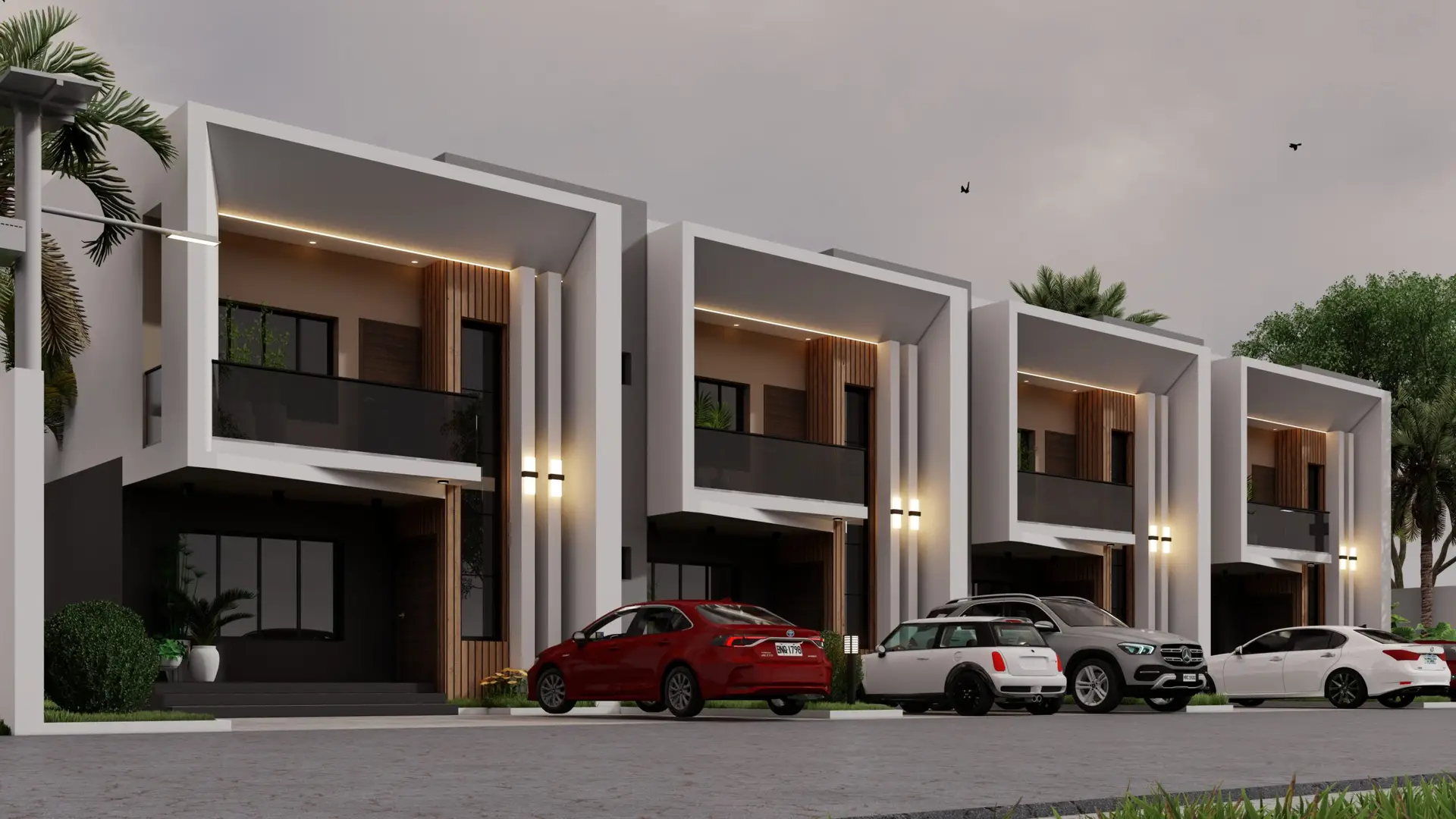
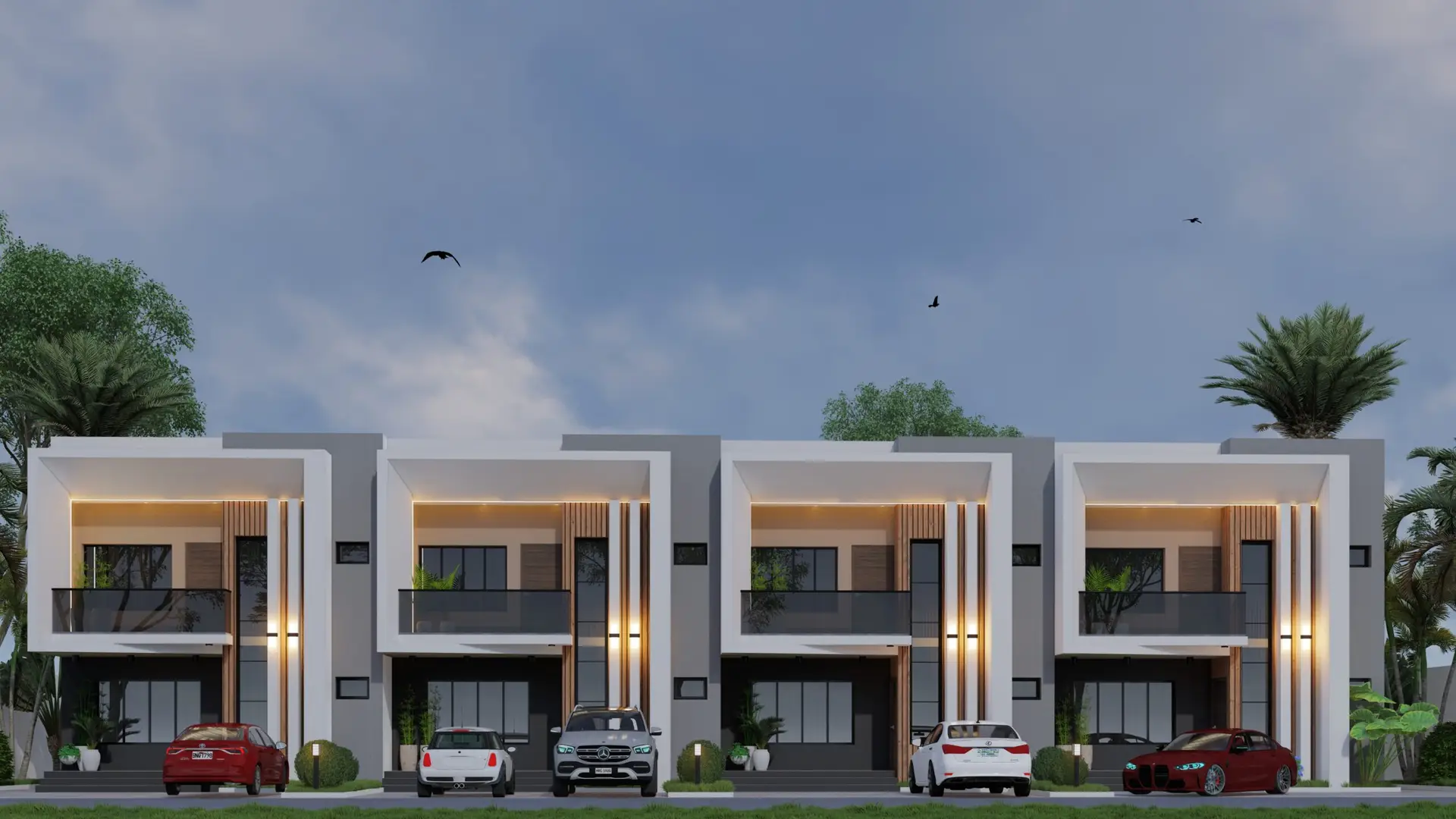
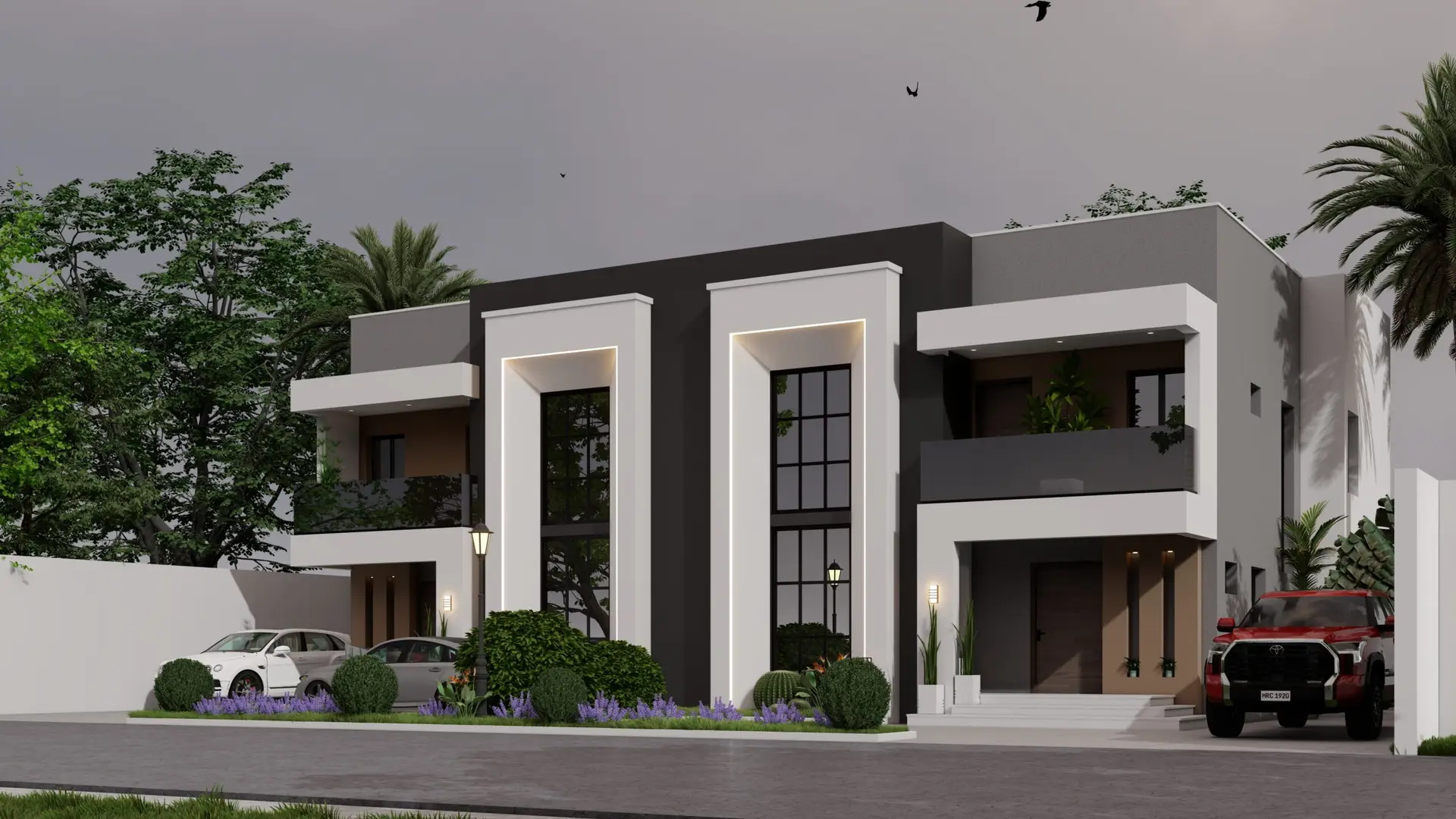
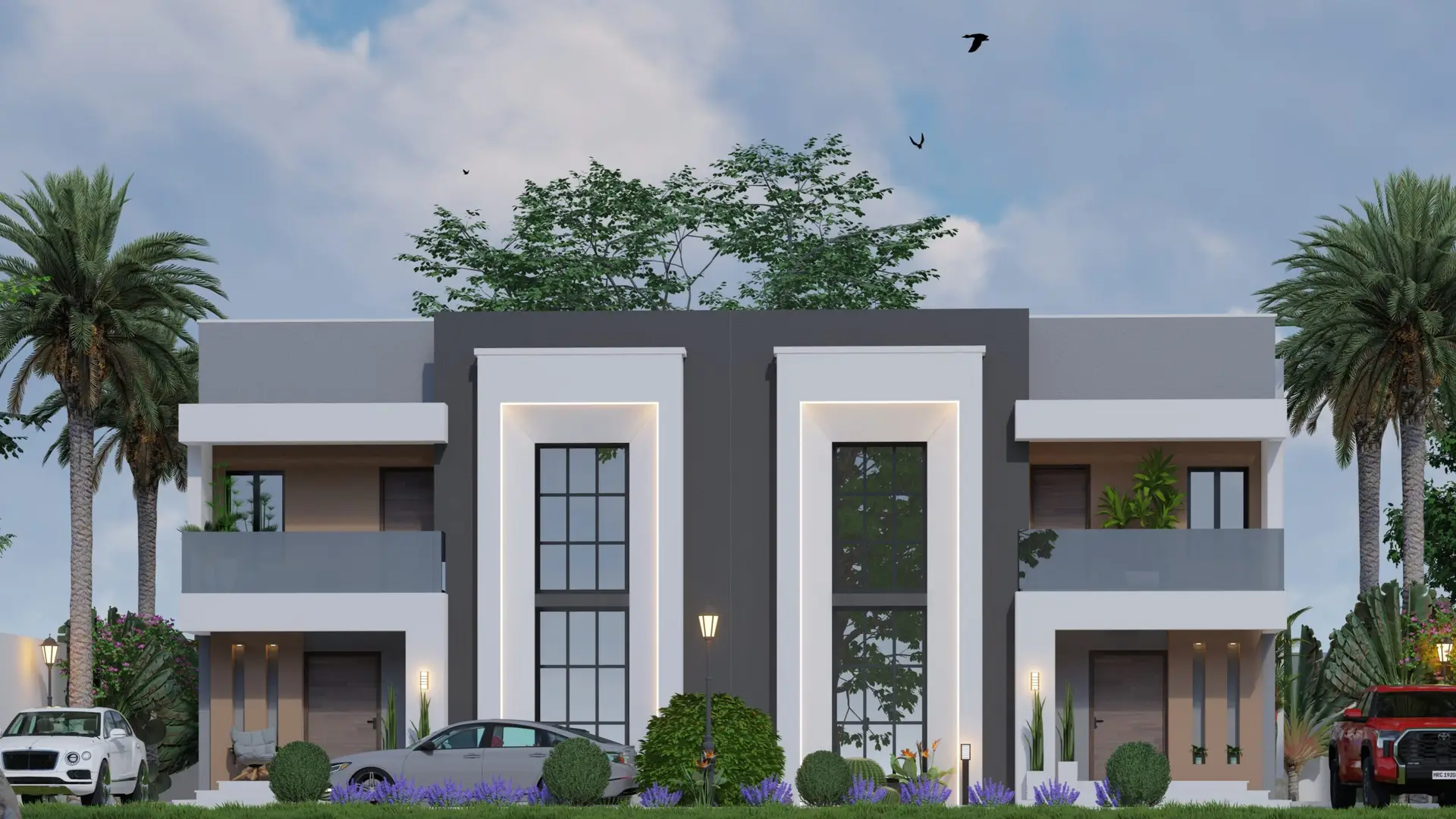
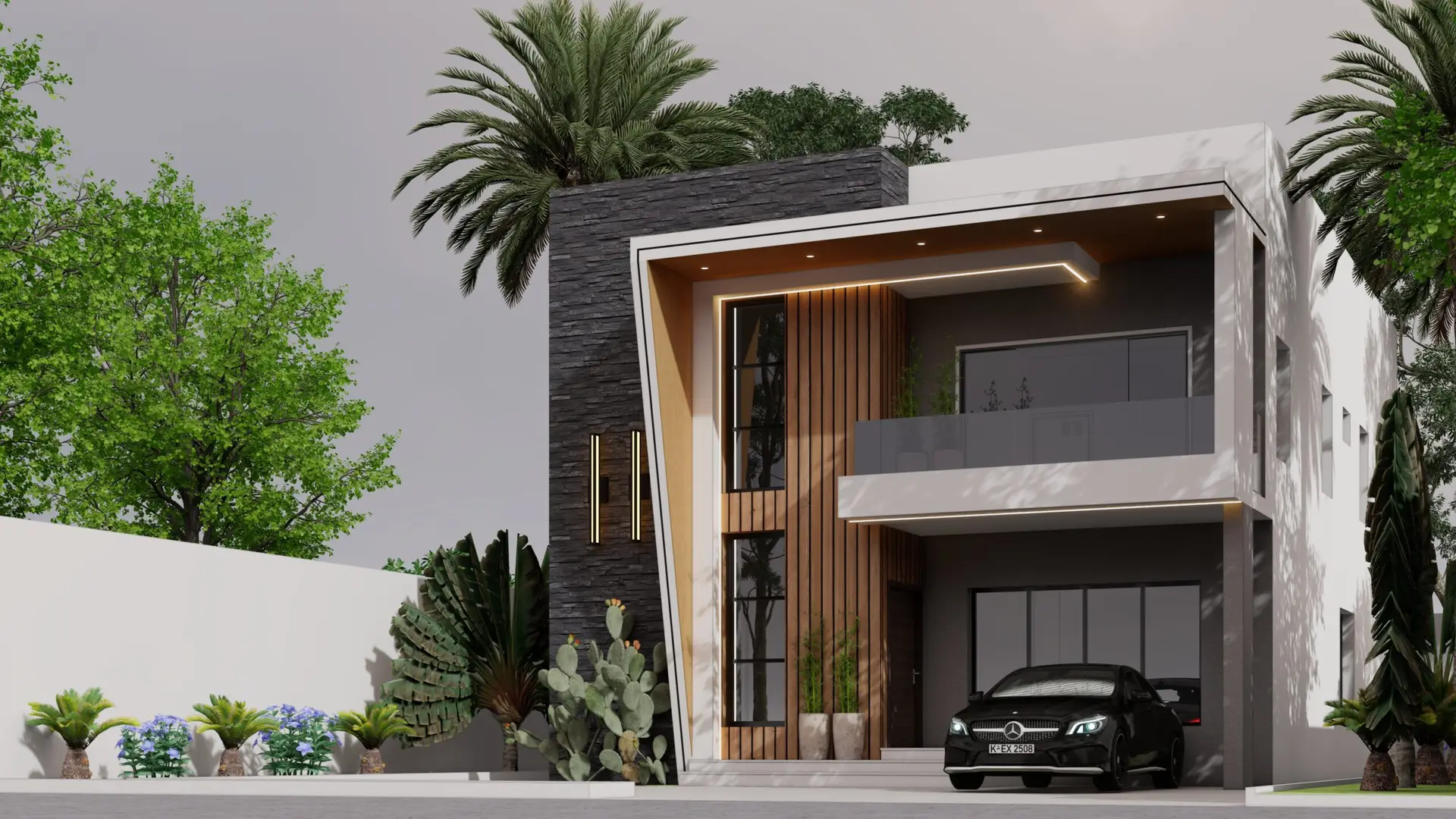
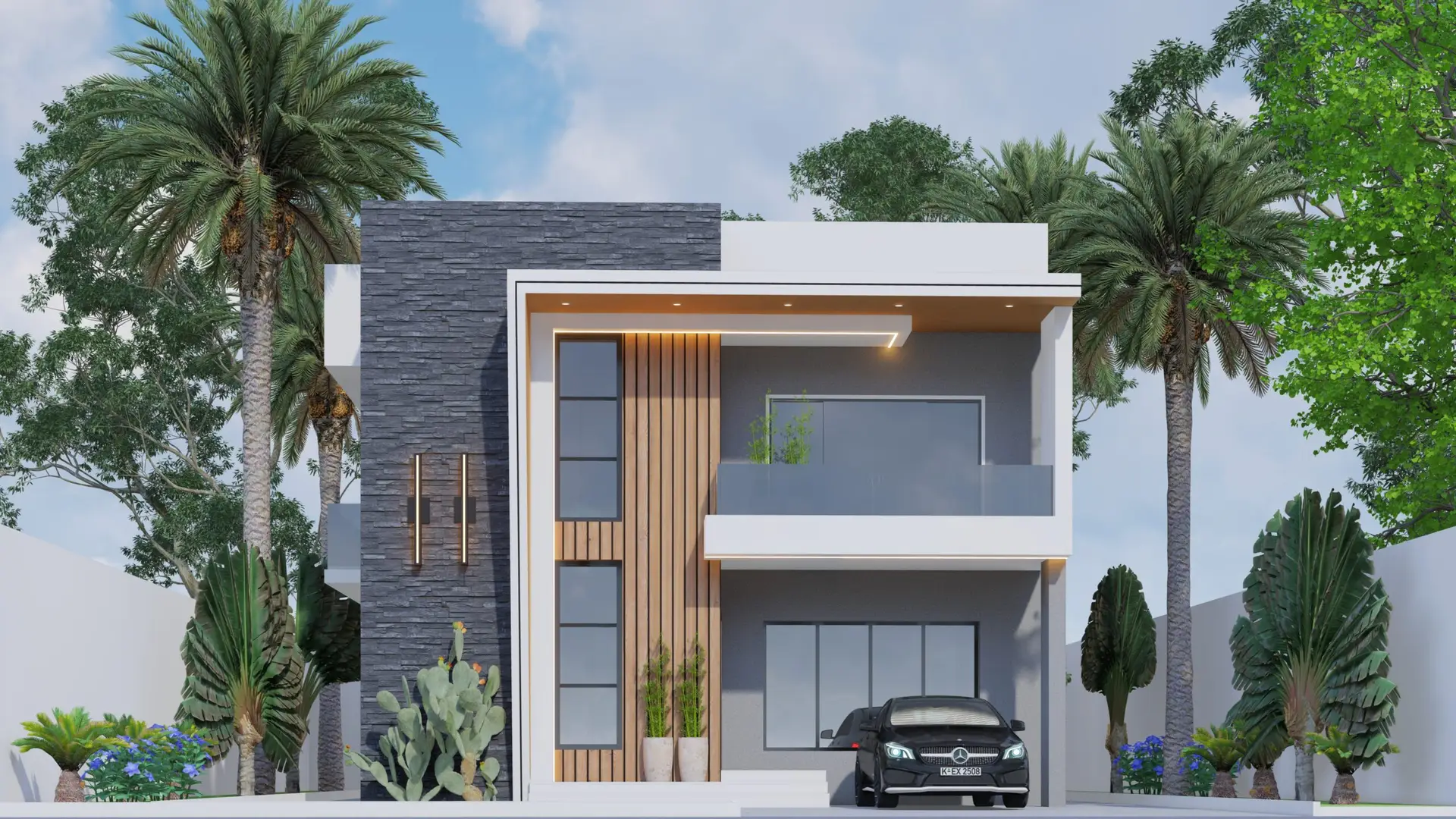
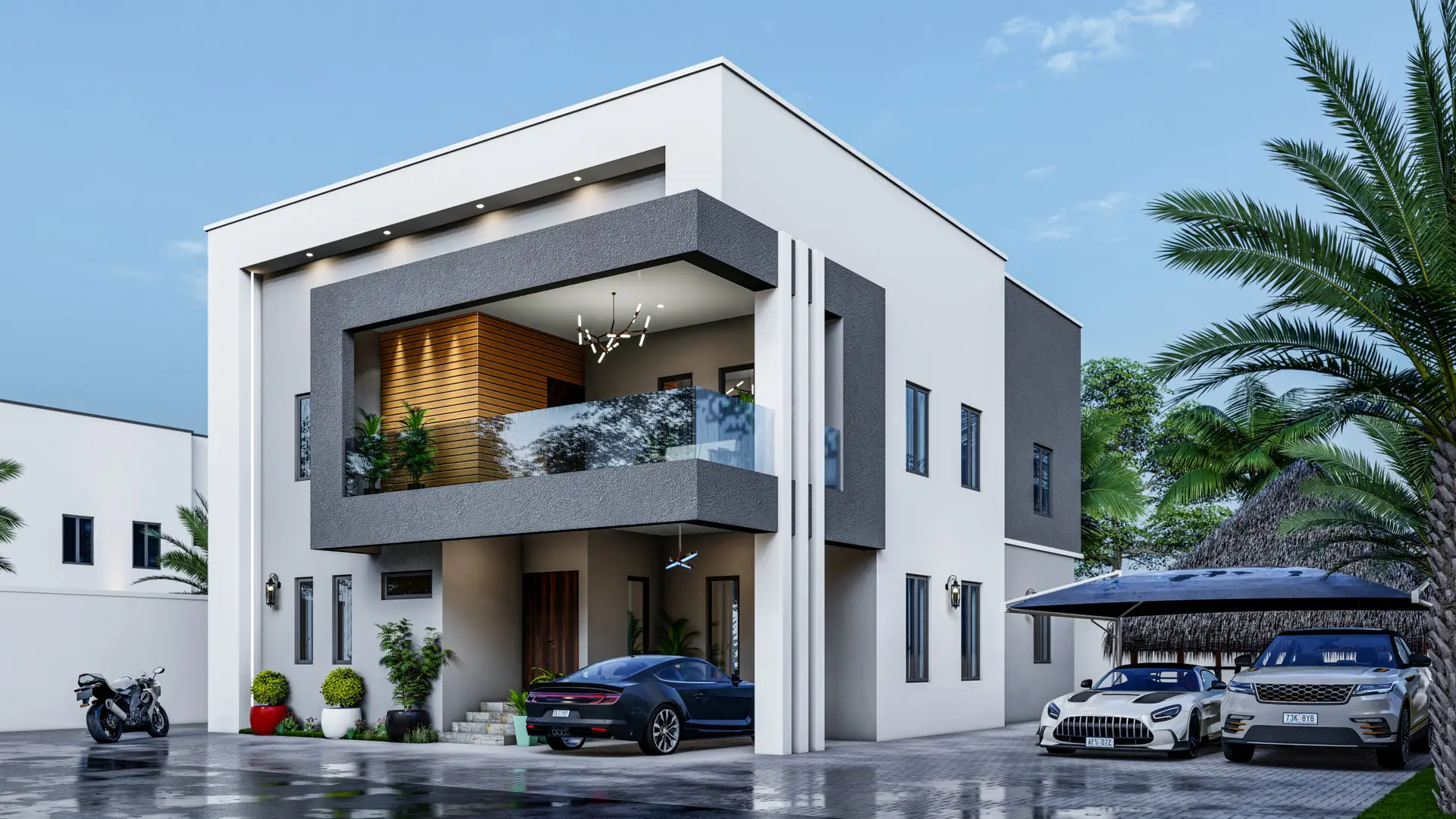
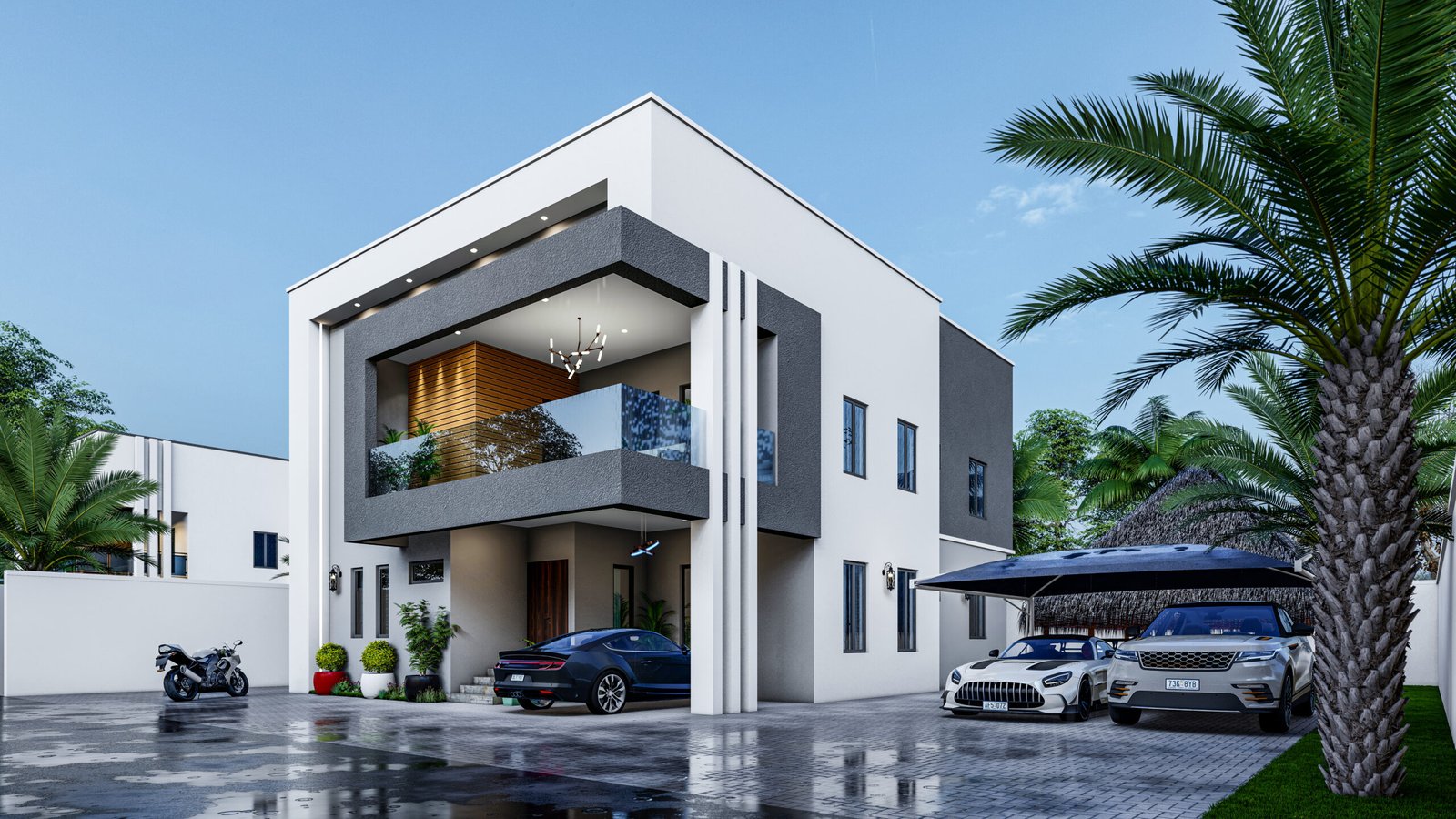
Prime Haven Estate is a fully approved residential community strategically located in Abuja. Designed for smart investors and forward-thinking families, it offers verified land documentation, structured development planning, and strong growth potential.
With planned infrastructure, accessible road networks, and a clear vision for long-term value, Prime Haven Estate provides both lifestyle comfort and investment confidence.
Discover the full details behind one of Abuja’s most promising residential opportunities.
Frequently Asked Questions About Kyami, Abuja
Kyami is a planned residential district in Abuja’s Phase Five development zone, located along Airport Road (Umaru Musa Yar’Adua Expressway). It sits directly opposite Centenary City and is approximately 10 to 15 minutes from the Nnamdi Azikiwe International Airport. It is one of Abuja’s most actively developing emerging districts as of 2026.
What is Kyami District in Abuja?
Is Kyami FCDA approved?
Kyami is part of the FCDA master plan for Abuja. However, the specific title of any plot you’re buying — whether C of O, R of O, or otherwise — needs to be independently verified for that particular property. The district being FCDA-planned does not automatically mean every seller in the area is operating with clean documentation.
How far is Kyami from Abuja city centre?
Approximately 30 to 40 minutes from the Central Business District under normal traffic conditions. It is 10 to 15 minutes from the airport and a short drive from Lugbe.
Is Kyami a good investment in 2026?
Based on its location in an FCDA-planned Phase Five district, active infrastructure development, proximity to Centenary City and the airport corridor, and current price points relative to comparable Abuja districts, Kyami presents a credible case as a medium to long-term investment. As with any emerging area, it carries development-phase risks and is better suited to investors with a five to ten year horizon than those seeking quick returns.
What is the difference between Kyami and Lugbe?
Both are along the Airport Road corridor. Lugbe is closer to the city, more developed, and consequently more expensive. Kyami is further out, currently less developed, and offers lower entry prices — but with more growth runway ahead of it. People who bought in Lugbe early are the same profile of buyer now looking at Kyami.
Can diaspora Nigerians buy property in Kyami?
Yes. The documentation framework in Kyami — particularly plots with FCDA C of O titles — is suitable for remote buyers because it provides a verifiable, federally recognised ownership record. Working with a credible developer who can handle the process transparently is critical for diaspora buyers.
What land titles are available in Kyami?
The main titles you’ll encounter are FCDA Certificate of Occupancy (C of O) and Right of Occupancy (R of O). C of O is generally considered the stronger title. Always verify which specific title applies to the plot you’re considering and confirm it through an independent search.
The Bottom Line
Every area in Abuja that is now expensive — Maitama, Wuse, Jabi, Katampe, Lugbe — looked like a risk at some point. Someone paid what felt like a lot of money for land that was “still developing.” And then the city grew, the infrastructure came, and those early decisions looked very different in hindsight.
That’s not a guarantee of what will happen in Kyami. But it is the pattern.
What makes Kyami different from a lot of the other “emerging areas” you’ll hear about is that it sits within a federal master plan, along an active development corridor, with real infrastructure coming in, real documentation available, and the kind of locational advantages — airport proximity, Centenary City adjacency, government institution access — that aren’t going anywhere.
The people who benefit most from districts like this are the ones who did their homework early, bought with proper documentation, and stayed patient.
Want to Explore What’s Available in Kyami?
At Nik De Panache, we’ve been working in Kyami for years. We know which parts of the district are moving fast, which estates have the right documentation, and what questions to ask before you commit. We’ll walk you through everything with integrity and ease
Nik De Panache Limited | nikdepanache.com | Abuja, Nigeria Information in this article is provided for educational purposes and reflects market conditions as of April 2026. Always conduct independent due diligence before any property transaction.